
Precision Powertrain Components | Uncompromised Performance Legacy
Core-Driven Innovation | Redefining Aftermarket Excellence
Views: 0 Author: Site Editor Publish Time: 2026-09-24 Origin: Site


When dashboard warning lights flash and your engine idles erratically, diagnostic testing often points to a failed exhaust gas recirculation unit. Your vehicle might throw an SAE standard OBD-II code like P0400 or P0401. You will likely experience failed emissions tests and terrible drivability. You might assume any visually identical replacement part will fix the issue immediately. However, many components share exterior metal housings but feature completely different internal flow rates or electrical pinouts. Ordering replacement parts based solely on your vehicle make, model, and year usually leads to rejected fitments. You end up battling stubborn check engine lights and wasting valuable labor hours. We will show you exactly how to navigate this replacement process safely. You will learn how to locate your original equipment manufacturer (OEM) part number and properly cross-reference it. Following this framework ensures you purchase the correct EGR Valve on your very first try.
OEM numbers are non-negotiable: Matching the exact alphanumeric code stamped on your original valve or verified via VIN is the only way to guarantee ECU compatibility.
Technology dictates complexity: An electric EGR valve requires stricter electronic matching than older vacuum-operated mechanical units.
Total cost includes peripherals: A successful replacement often requires new gaskets, thorough port cleaning, and occasionally a replacement EGR cooler.
Aftermarket requires scrutiny: A high-quality aftermarket EGR valve is a viable, cost-effective alternative, provided it cross-references accurately to the factory OEM number.
Modern engine control units (ECUs) calculate air-fuel ratios with extreme precision. They expect a highly specific flow of exhaust gas into the intake manifold. Engineers calibrate these computers for exact flow rates based on engine load and temperature. Using a mismatched replacement part disrupts this delicate balance. If a replacement unit flows just five percent more gas than expected, combustion temperatures drop too quickly. The engine misfires. Conversely, insufficient flow causes cylinder temperatures to spike dangerously. You will experience immediate drivability issues. Pinging, knocking, and rough idling become frequent. Buying a part just because it looks similar is a critical mistake. Engine computers do not tolerate "close enough" hardware.
Common Mistake: Never order a replacement unit based merely on a visual comparison of catalog photos. Internal pintle designs dictate flow volumes, and these remain invisible from the outside.
You must find the factory-assigned alphanumeric code to guarantee a successful repair. You have two primary methods to locate this crucial data.
First, try a direct visual inspection. Grab a bright flashlight and a wire brush. Locate the existing unit on your engine block. Clean the top housing gently. You are looking for a stamped or stickered code. This identifier usually spans eight to twelve characters. Manufacturers occasionally use durable foil stickers for this data. Heat, engine oil, and age often degrade these labels. If the sticker is unreadable, you must pivot to the second method.
Second, utilize VIN verification. This approach provides absolute certainty. Locate your 17-digit Vehicle Identification Number on the driver-side dashboard. Call a local dealership parts department or use a specialized online VIN decoder. The parts database will reveal the exact factory-assigned number your vehicle received on the assembly line.
Automakers constantly update component designs. They discover minor flaws and engineer improvements. When this happens, the factory retires the original part number. They issue a new, modern identifier. We call this a superseded part number. This common scenario confuses many DIY mechanics. You might search for your stamped code and find zero results. Do not panic. You simply need to trace the old sequence to its modern equivalent. Reliable auto parts catalogs provide cross-reference tables. These tables map retired numbers to active inventory. A superseded unit retains full ECU compatibility while offering improved internal durability.
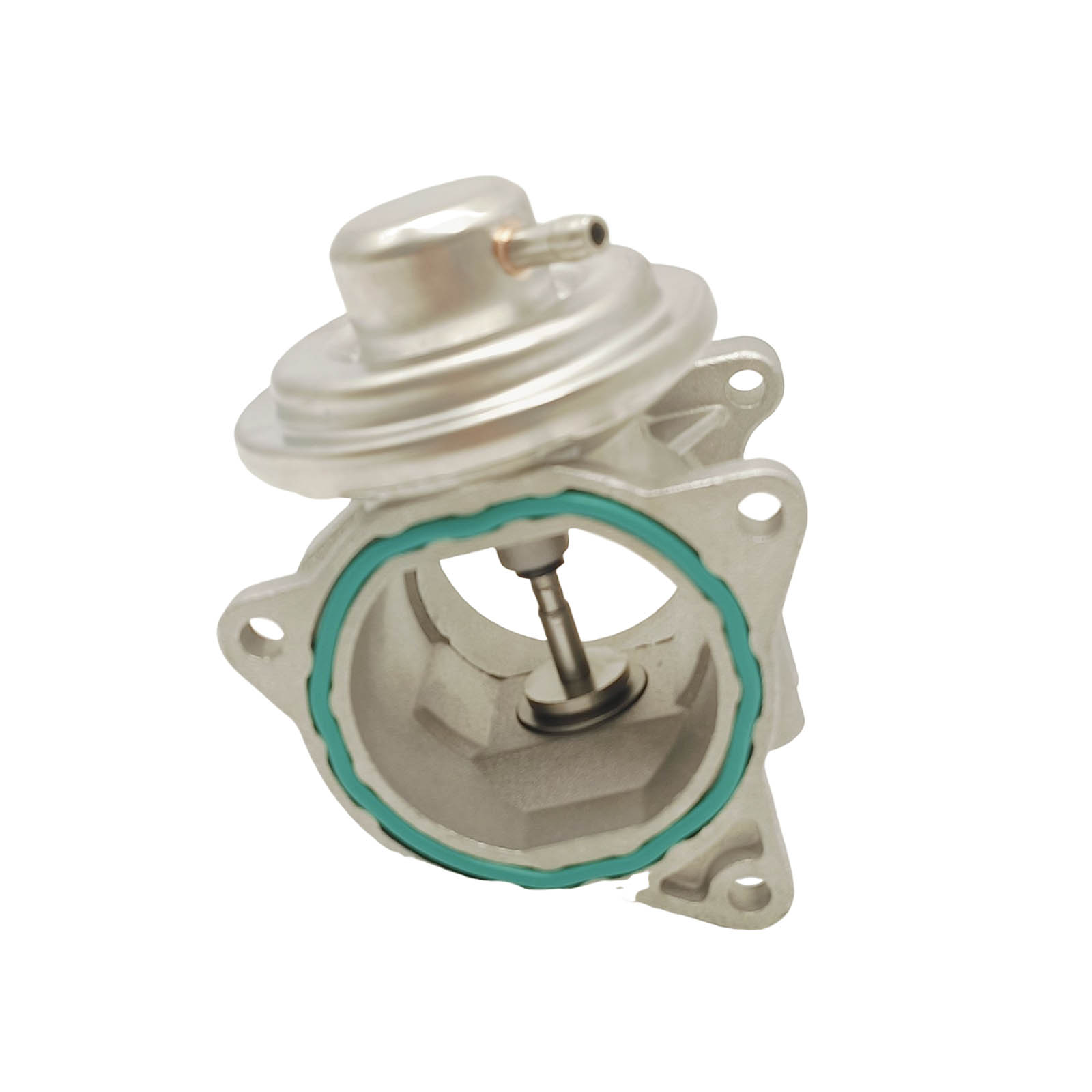
Choosing an OEM replacement EGR valve offers peace of mind. Dealerships supply these genuine components directly.
Pros: You receive guaranteed fitment. The factory flow calibration matches your ECU perfectly. You also secure a standard dealership warranty covering manufacturer defects.
Cons: Genuine parts carry a premium price point. You pay heavily for the brand name. Furthermore, you might face severe availability delays. Dealerships frequently discontinue inventory for older vehicle platforms.
Many buyers turn to third-party manufacturers. An independent aftermarket EGR valve represents a highly practical alternative.
Pros: You enjoy significant cost savings. Third-party manufacturers also provide broader availability for aging vehicle fleets.
Cons: Quality variance remains a serious concern. The market features both premium tier-one suppliers and unreliable unbranded alternatives.
You must apply strict evaluation criteria when shopping aftermarket catalogs. Look specifically for ISO/TS 16949 certification. This automotive quality standard ensures robust manufacturing processes. Demand exact OEM cross-reference data in the product listing. Review the warranty terms for transparency. Always avoid products claiming a "universal fit." Exhaust gas recirculation systems are engineered for specific engine displacements. They are never universal.
Buyers often must choose between brand-new assemblies and remanufactured units. Brand-new units provide zero-mile wear on internal solenoids. They represent the gold standard for long-term reliability. However, remanufactured components dominate heavy-duty diesel applications. Diesel parts are massive and expensive to cast new. Quality rebuilders strip old cores down completely. They clean housings in ultrasonic baths. They install fresh electronics and seals. You must inspect their rebuilding standards closely. Ensure the rebuilder tests the final assembly under vacuum and electrical load.
Table: Comparison of Valve Replacement Options
Option Type | Price Range | Quality Assurance | Best Use Case |
|---|---|---|---|
Genuine OEM | Highest | Factory guaranteed | Vehicles under factory warranty |
Premium Aftermarket | Moderate | ISO/TS 16949 certified | Out-of-warranty passenger vehicles |
Remanufactured | Variable | Depends on rebuilder | Heavy-duty diesel trucks |
Automakers relied heavily on vacuum-operated designs during the 1990s and early 2000s. These mechanical units utilize engine vacuum to manipulate internal components. A rubber diaphragm lifts a metal pintle off its seat. This action allows exhaust gases to flow freely. Matching these older units requires strict physical verification.
You must measure the diaphragm housing size accurately. Check the vacuum port orientation. Some ports point straight up, while others angle sideways. A mismatched angle prevents your vacuum hose from attaching properly. Finally, inspect the mounting flange shape. Two-bolt and three-bolt flanges exist in dozens of unique footprint variations.
Modern emissions regulations demand faster, more precise flow control. Consequently, the electric EGR valve became the industry standard. The ECU controls these units directly via sophisticated stepper motors or linear solenoids. They manage emissions with digital accuracy.
Matching electronic components requires intense attention to detail. You must verify the pin-connector count. A five-pin layout differs completely from a six-pin design. They utilize different internal wiring schemas. You must also match the sensor type. Many units feature an internal potentiometer to provide position feedback to the computer. The replacement must match the specific voltage requirements of your factory harness.
Installing the wrong electronic part carries severe risks. Physical bolts might align perfectly. The electrical plug might even snap into place. However, incorrect internal wiring creates an immediate short circuit. Plugging a mismatched electric unit into your factory harness can fry the valve motor instantly. Worse, it can overload and permanently damage the ECU driver circuit. Exact OEM cross-referencing prevents these catastrophic electrical failures.
Best Practice: Always count the metal pins inside the electrical connector of your old unit. Compare this number directly to the specifications of the replacement part before installing it.
Automotive exhaust systems endure brutal thermal conditions. Metal and composite gaskets undergo thousands of severe heat cycles. They crush, warp, and harden over time. Reusing old, heat-cycled gaskets guarantees a vacuum or exhaust leak. Escaping exhaust gases will melt nearby plastic wiring looms. Air entering the intake manifold will trigger lean codes.
You must never reuse mounting seals. Always verify if your chosen replacement includes a new gasket in the box. Many premium manufacturers bundle them together. Budget suppliers often require you to order gaskets separately. Add them to your cart immediately to avoid repair delays.
Modern diesel trucks and advanced gas engines employ complex thermal management systems. An EGR cooler lowers exhaust gas temperatures before they enter the intake manifold. This cooling process condenses soot and unburnt fuel. Over time, thick sludge restricts the internal cooling fins completely.
A clogged or internally leaking cooling assembly often masquerades as a valve failure. The ECU detects low flow and blames the valve module. You might install a brand-new electronic unit, only to see the check engine light return instantly. You must physically inspect the cooler for flow restrictions. If you notice thick, tar-like sludge inside the plumbing, you need further action. Decide whether to clean or replace the cooling unit simultaneously. Replacing both components together prevents immediate cross-contamination.
Exhaust soot mixes with oily crankcase vapors inside the intake tract. This mixture bakes into a dense, rock-hard carbon deposit. Your new electronic unit will fail prematurely if these surrounding passages remain restricted. A brand-new pintle cannot push through solid carbon walls.
You must factor proper cleaning into your repair scope. Buy heavy-duty chemical carbon dissolve sprays. Purchase manual brass picks and wire tube brushes. Scrape the intake manifold neck clean before bolting down the new assembly. A pristine environment ensures maximum longevity for your replacement part.
You have gathered your original numbers and inspected your engine bay. Now, you must filter online catalogs safely. Use this strict 3-point matching framework to evaluate any potential purchase.
Database Compatibility: Does the vendor's catalog database match your specific vehicle? Verify the exact Year, Make, Model, and Engine Displacement (in Liters). A 2.0L engine often uses vastly different hardware than a 2.5L engine of the same year.
Explicit Cross-Reference: Does the product description explicitly list your factory OEM part number? Look for a section labeled "Replaces" or "Cross-Reference". Your stamped code must appear in this table.
Visual Confirmation: Does the visual reference perfectly match the unit being removed? Compare the flange shape closely. Count the bolt holes. Examine the electrical connector type and pin layout. Ensure the vacuum ports face the correct direction.
Never rely on a single verification method. Take your verified factory code right now. Input this exact alphanumeric string into a reputable store's exact-fit search tool. Review the qualified inventory. Apply the 3-point match framework to every result. This disciplined approach eliminates ordering errors entirely.
Replacing an exhaust gas recirculation component is a highly straightforward mechanical repair. However, incorrect hardware choices derail this simple job daily. Dealership computers demand exact flow rates and specific electrical feedback. Prioritizing exact OEM number matching over visual guesswork eliminates the primary cause of installation failure. Taking ten minutes to verify your data saves days of frustration.
Always retrieve the alphanumeric code stamped on your factory housing or verified via your VIN.
Use this code to map superseded part numbers through reputable catalog databases.
Never guess on electrical pin counts or vacuum port orientations.
Always install fresh gaskets and clear surrounding carbon deposits to protect your new investment.
Direct your search efforts using exact-fit tools rather than browsing generic vehicle categories.
Grab a flashlight, locate your factory identifier, and browse a verified catalog of direct-fit replacements today.
A: No, you should never rely solely on forum recommendations. Automakers frequently make mid-year production changes. Different engine sub-models or regional emissions packages require entirely different internal components. A part number that works for another owner might cause your specific ECU to throw error codes. Always verify hardware compatibility against your vehicle's unique 17-digit VIN.
A: Manufacturers constantly implement design updates to improve durability. They might change the exterior housing material or alter the solenoid shape. These updated components use superseded part numbers. As long as the product description explicitly lists your original factory cross-reference number, the unit remains fully compatible with your engine computer. The OEM cross-reference data acts as the final source of truth.
A: It depends heavily on vehicle age and technology. Older mechanical units simply require a battery disconnect to clear the dashboard code. However, modern electric valves often require a specialized relearn procedure. You might need a professional bidirectional scan tool to teach the ECU the new stepper motor's fully closed and fully open voltage positions. Check your service manual.


