
Precision Powertrain Components | Uncompromised Performance Legacy
Core-Driven Innovation | Redefining Aftermarket Excellence
Views: 0 Author: Site Editor Publish Time: 2026-10-07 Origin: Site


Diesel engine downtime significantly hurts operational schedules. It impacts bottom lines directly. Fleet managers and owner-operators know every hour matters. You might notice unexplained coolant loss. You might see sweet-smelling white exhaust smoke. Sluggish acceleration also serves as a warning. These are classic red flags of cooling system trouble. However, misdiagnosing them can cause massive headaches. Incorrect repairs lead to catastrophic engine failure. Ignoring these signs risks hydro-locking the engine. You might even blow the head gaskets entirely. We created this comprehensive guide for you. We provide a no-nonsense diagnostic framework. We will help you verify cooling system failures accurately. You will learn how to assess underlying mechanical risks. Finally, we evaluate specific criteria for choosing parts. You will learn how to select a reliable replacement component. This ensures your truck stays safely on the highway.
Symptom Verification: Coolant disappearing from the degas bottle without visible external leaks is the primary indicator of a breached EGR cooler core.
Diagnostic Overlap: Symptoms often mimic head gasket or oil cooler failures; pressure testing and DTC code scanning are mandatory before purchasing parts.
Risk of Inaction: Continued operation with a leaking cooler introduces coolant into the combustion chamber, risking severe internal engine damage.
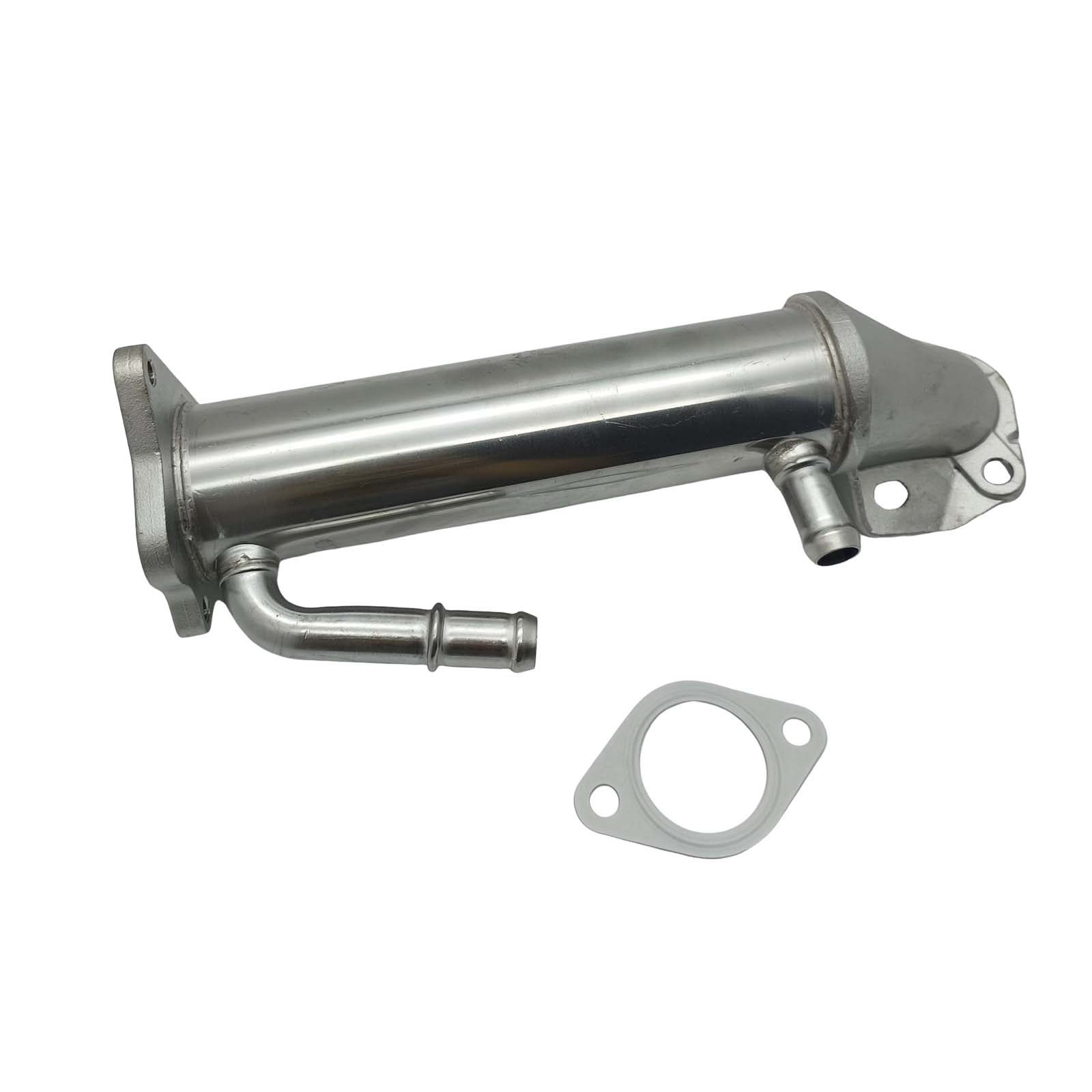
Sourcing Solutions: Upgrading to a heavy-duty replacement EGR cooler with a TIG-welded, stainless-steel tube design mitigates the inherent flaws of factory fin-and-plate coolers.
Coolant levels dropping unexpectedly usually point to an internal breach. You check the degas bottle. You see the fluid level is extremely low. You look under the truck carefully. However, you find no puddles on the ground. Where does the liquid actually go? It boils off inside the hot exhaust system. Hot exhaust gases vaporize the fluid instantly. This hidden loss makes visual diagnosis very tricky. You must pay close attention to fluid levels weekly.
Thick white exhaust smoke provides another strong diagnostic clue. You must distinguish this smoke from normal cold-start condensation. Condensation dissipates quickly as the engine warms up. It usually disappears after a few minutes of driving. Conversely, a failing EGR Cooler produces thick steam. This steam often carries a distinct, sweet smell. This happens because flash-boiling coolant enters the intake manifold. It enters continuously during vehicle operation. It creates a massive white cloud behind your truck.
Drivers often experience a noticeable loss of engine power. Turbo lag becomes more pronounced during hard acceleration. You step on the pedal, but nothing happens immediately. Exhaust leaks disrupt the necessary manifold pressure. The engine needs this pressure for optimal turbo boost. The engine simply cannot breathe efficiently. The entire system loses its required pneumatic balance. You lose towing power on steep grades.
Warning lights and diagnostic trouble codes will eventually trigger. The OBD-II system constantly monitors your emissions hardware. It uses various sensors to track gas flow. You will frequently see the check engine light illuminate. Technicians usually pull codes indicating "Insufficient EGR Flow". These digital alerts confirm the system is heavily compromised. You should never ignore these dashboard warnings.
Understanding component relationships prevents expensive misdiagnosis. The oil cooler and the EGR cooler core work closely together. They operate in a sequential thermal loop. Coolant flows through the oil cooler first. It absorbs heat from the engine oil. It then travels to the exhaust cooler. A clogged oil cooler restricts this vital fluid flow. The restricted flow causes extreme heat buildup downstream. This intense heat ultimately ruptures the exhaust gas cooler. You must understand this chain reaction.
Systematic troubleshooting isolates the exact point of failure. Guessing parts wastes time and money. Follow these structured diagnostic steps:
Visual Inspection of the EGR Valve: Remove the EGR valve from its housing. Inspect the internal passages thoroughly. Check them for wet, sludgy soot. Mechanics often call this the "gunk test." Dry, powdery soot is completely normal. Wet, sticky soot confirms internal fluid leaks.
Cooling System Pressure Test: Attach a manual pressure pump to the degas bottle. Pressurize the system to exact manufacturer specifications. Watch the pressure gauge closely. Look for a rapid, unexplained pressure drop. Listen closely near the intake manifold. You might hear internal hissing sounds.
Exhaust Gas in Coolant Test: Use a chemical block tester on the coolant reservoir. You draw air from the bottle through a test fluid. The blue fluid turns yellow if it detects combustion gases. This step is absolutely crucial. It helps you rule out head gasket involvement. It confirms the breach location accurately.
Ignoring these early warning signs invites catastrophic mechanical damage. Engine hydro-locking presents the most immediate physical danger. Coolant is an incompressible liquid by nature. It pools inside the engine cylinders after shutdown. The fluid seeps in while the truck sits overnight. When you try to restart, the starter engages. The pistons move up to compress the air. However, they cannot compress this pooled liquid. This immense hydraulic pressure instantly bends steel connecting rods. It can also shatter the aluminum pistons entirely.
Blown head gaskets frequently follow prolonged cooling system neglect. Compromised cooling efficiency raises internal engine temperatures drastically. Overheating expands the metal components beyond their limits. Excess cylinder pressures begin to stretch the factory head bolts. The clamping force weakens significantly over time. Once the bolts stretch, the gaskets fail completely. Exhaust gases blow directly into the cooling jackets. You then face a massive top-end engine rebuild.
Turbochargers also suffer greatly from contaminated exhaust flow. Sticky, coolant-laced soot exits the exhaust manifold. It passes directly through the variable geometry turbocharger. This thick residue coats the delicate internal vanes. The soot bakes onto the metal surfaces. The vanes eventually stick in one fixed position. You lose dynamic boost control completely. You will likely ruin a very expensive turbocharger unit.
You must analyze the immediate repair cost. Compare it against future mechanical risks. Funding a cooler replacement now is a predictable expense. Waiting guarantees a much larger invoice later. A complete engine teardown costs tens of thousands of dollars. Early intervention saves your heavy-duty engine block. It also protects your maintenance budget from disaster.
You face an important choice during the repair process. Do you use a standard OEM component? Do you upgrade your hardware entirely? Factory coolers often use a brazed fin-and-plate design. Manufacturers chose this for initial cost savings. However, this original design is highly vulnerable. It suffers greatly from sudden thermal shock. The narrow internal fins also clog easily. Carbon buildup blocks the gas flow rapidly.
High-quality aftermarket auto parts offer a superior alternative. Many fleet owners switch to upgraded components. Heavy-duty aftermarket designs utilize different construction methods. They feature TIG-welded stainless steel tube configurations. The tubular structure expands and contracts safely. It handles extreme heat cycles without stress fracturing. It resists internal cracking effectively. The wider tubes also prevent dense carbon blockages.
We evaluate these replacement components across three essential dimensions. You should weigh these factors carefully before purchasing.
EGR Cooler Evaluation Criteria
Evaluation Dimension | Factory Fin-and-Plate Design | Upgraded Tubular Design |
|---|---|---|
Durability | Prone to internal cracking under high thermal expansion. | High resistance to thermal stress and exhaust pressure. |
Flow Dynamics | Narrow internal fins restrict exhaust and clog quickly. | Open tubes ensure proper gas cooling without restriction. |
Compliance | Meets standard emissions protocols but fails prematurely. | Fully emissions compliant while offering commercial longevity. |
Choosing a compliant replacement EGR cooler is mandatory. It keeps your heavy-duty truck street legal. Many frustrated owners consider installing non-compliant "delete kits". They remove the emissions equipment entirely to stop failures. You should avoid these illegal modifications entirely. EPA regulations strictly forbid removing emissions hardware. These delete kits carry heavy legal fines. They also destroy your vehicle resale value completely.
Real-world repairs require a comprehensive approach to engine health. You cannot just fix the obvious broken part. Replacing the exhaust cooling unit requires additional steps. It almost always necessitates replacing the oil cooler simultaneously. As discussed earlier, a clogged oil cooler causes the failure. It represents the actual root cause of the breakdown. Swapping only the exhaust cooler ignores this root cause. The brand new part will fail quickly. It overheats if the oil cooler remains restricted.
System flushing is a critical necessity before installation. Over time, debris accumulates in the coolant passages. Silicates and casting sand drop out of old coolant. You must perform a thorough chemical flush. Mechanics use specific heavy-duty cleaning agents. Do this before bolting on the new hardware. This step removes abrasive debris safely. It protects the fresh internal tubes of your new component.
Set transparent expectations regarding labor and shop downtime. Top-end engine disassembly is an intensive, slow process. Technicians must remove intake manifolds carefully. They must unbolt turbos and complex wiring harnesses. They drain and refill massive fluid systems. Expect your commercial truck to be down for days. Quality diesel repairs always take considerable time. Rushing the job leads to pinched gaskets. Careful reassembly ensures long-term road reliability.
White exhaust smoke and hidden coolant loss demand immediate attention. You must not ignore these clear warning signs. Rely on evidence-based diagnostics to prevent severe engine damage. Pressure testing separates simple external leaks from catastrophic core breaches. Thorough inspections protect your valuable diesel assets. Taking action early saves your engine from complete mechanical ruin.
We strongly advise selecting an upgraded aftermarket cooler. We recommend the tubular-style over factory replacements. Factory-style replacements carry the exact same design flaws. They will inevitably fail again under heavy loads. Heavy-duty stainless steel tubes prevent symptom recurrence effectively. They deliver the commercial reliability your demanding fleet requires.
Do not let a leaking cooling system destroy your engine. Act quickly to secure the right replacement parts. Review our extensive catalog of heavy-duty components today. You can also contact our parts specialists directly. We offer deep diagnostic assistance for complex issues. Secure your parts and get your truck back to work.
A: No, the valve itself does not hold or flow coolant. It only manages the flow of dry exhaust gases. However, if the cooler core breaches upstream, liquid can pass through the valve. Mechanics often find wet soot inside the valve during inspections. This indicates a cooler failure, not a primary valve defect.
A: No, driving with a leaking cooler is incredibly dangerous. Coolant continuously leaks into the intake manifold and cylinders. Once you shut the engine off, liquid pools inside the combustion chamber. Trying to restart the engine can cause catastrophic hydro-locking. This shatters pistons and bends connecting rods instantly.
A: An upgraded aftermarket cooler featuring TIG-welded stainless steel tubes often outlasts the vehicle. Unlike factory fin-and-plate designs, tubular structures resist thermal expansion cracking. They also prevent dense carbon clogging. With proper cooling system maintenance, expect a lifetime of reliable service from premium aftermarket components.
A: Replacing the physical component fixes the mechanical leak, but it does not clear the light automatically. You must use an OBD-II scanner to clear stored trouble codes manually. Additionally, you should clean complementary parts like the MAP sensor. Clogged sensors will trigger new codes even with a fresh cooler installed.


